
When to Call a 24 Hour Gas Engineer
A boiler fault at 11pm is not just inconvenient. If there is no heating, no hot water, the smell of gas, or a live safety concern in the property, waiting until morning is not always the right call. A 24-hour gas engineer is there for exactly these situations - when the problem cannot be left, and the job needs to be handled by a Gas Safe registered professional.
For homeowners, landlords and property managers across London, speed matters, but so does accountability. Gas work is regulated for good reason. The right emergency engineer does not just turn up quickly. They diagnose safely, isolate risk, carry out compliant repairs where possible, and give you a clear record of what has been done.
What a 24-hour gas engineer actually does
A 24-hour gas engineer deals with urgent gas and heating faults outside normal working hours, including nights, weekends and bank holidays. In practice, that usually means attending breakdowns, making dangerous appliances safe, tracing faults on boilers and heating systems, and responding to reports of gas leaks or carbon monoxide concerns.
Not every out-of-hours issue leads straight to a full repair. Sometimes the immediate priority is to isolate the gas supply, cap off a faulty appliance, or make the system safe until parts can be sourced. That is not a half measure. It is the correct approach when safety comes first and a permanent fix depends on the make of boiler, part availability, or the wider condition of the installation.
This is where experience matters. A qualified engineer should know the difference between an urgent but repairable fault and a system that must be shut down until further work is completed.
When you should call a 24-hour gas engineer
Some issues are clearly emergencies. Others depend on the type of property, who lives there, and whether there is an immediate risk.
If you can smell gas, suspect a leak, or have concerns about carbon monoxide, that is an emergency. The same applies if a boiler is behaving unpredictably, shutting down repeatedly, losing pressure in a way that suggests a fault, or showing signs of unsafe combustion. In rented property, the situation becomes even more time-sensitive because landlords have a duty to act when tenant safety is involved.
Loss of heating and hot water can also justify an emergency visit, especially in winter, in homes with young children, elderly occupants, or vulnerable residents. For a landlord or housing provider, an out-of-hours failure may need immediate action even if the fault itself is not dangerous, simply because the property cannot reasonably be left without essential services.
There are also cases where waiting until the next day is sensible. A minor drop in boiler pressure with no signs of leakage, a radiator issue in an otherwise working system, or a fault that has already been safely isolated may be better handled as a booked visit. A dependable contractor should tell you that plainly rather than force every job into an emergency call-out.
Why Gas Safe registration is non-negotiable
A 24-hour response means very little if the person attending is not legally qualified to work on gas appliances. Gas Safe registration is the baseline requirement. Without it, the engineer should not be diagnosing, disconnecting, repairing or recommissioning gas equipment.
For property owners and managers, this is not just a technical detail. It is a compliance issue and a liability issue. If unregistered work is carried out and something goes wrong, the consequences can be serious for occupants, landlords and managing agents alike.
The same principle applies to documentation and traceability. On emergency gas work, you need clarity on what fault was found, what was isolated, whether the appliance was left operational, and what follow-on works are required. Certification, insurance and proper records are part of professional emergency response, not optional extras.
What to expect when the engineer arrives
A professional call-out should begin with a safety-led assessment. That means understanding the reported issue, checking for immediate hazards, and confirming whether the gas supply or appliance needs to be isolated before any repair is attempted.
From there, the engineer should inspect the relevant appliance or system, test where appropriate, and explain the findings in straightforward terms. If the fault can be resolved on the spot, the repair should be completed and the system checked before handover. If it cannot, you should be told why, what temporary safety action has been taken, and what the next step is.
In many emergency situations, the most valuable part of the visit is not just the repair itself. It is the certainty. You need to know whether the property is safe, whether the appliance can stay in use, and whether further attendance is required. That is particularly important for landlords, housing teams and councils managing multiple occupancies and duty-of-care obligations.
Common emergency gas and boiler faults
The jobs that trigger an out-of-hours attendance are often variations of the same core problems. Gas leaks are the most obvious. Beyond that, engineers are frequently called to failed boilers, ignition faults, lockouts, low system pressure linked to a more serious issue, circulation problems, frozen condensate pipes in colder weather, and appliances that have been shut down due to safety concerns.
Older systems can be less predictable, especially where maintenance has been irregular. A boiler that has missed annual servicing is more likely to fail under pressure, and faults may be harder to resolve in one visit if multiple components are worn. Newer appliances can also fail, but diagnosis is often more precise because the fault codes and controls are clearer.
For landlords, a repeated emergency call-out to the same address usually points to a bigger maintenance problem. At that stage, reactive response is only part of the answer. The longer-term fix may be planned repair, system improvement, or full boiler replacement.
Why London property managers need a responsive contractor
Across London and the wider M25, emergency attendance is not just about having someone on call. It is about reaching occupied properties quickly, dealing with access issues, working around tenants, and keeping communication clear when multiple parties are involved.
That is why many landlords and managing agents prefer one contractor that can handle gas, heating and related compliance work under a controlled process. When the same company can respond to a boiler breakdown, return for remedial works, and support ongoing gas safety certification, there is less room for delay or confusion.
This is especially useful in managed portfolios where one fault can quickly become an operational issue. A missed update, uncertain diagnosis, or poorly documented visit creates unnecessary risk. A serious contractor should be able to give you a clear attendance outcome and a practical next action, whether that is a completed repair, a quoted follow-on job, or a formal recommendation to replace unsafe or uneconomical equipment.
Choosing the right 24-hour gas engineer
The safest choice is not always the cheapest call-out, and the fastest advert is not always the most credible service. You are looking for a contractor that is Gas Safe registered, fully insured, experienced with emergency diagnostics, and able to operate professionally in occupied residential property.
It also helps if the company understands the wider demands of property compliance. For landlords and organisations, gas repairs do not exist in isolation. There may be tenant communication, access logging, certificate requirements, or linked issues with heating controls and electrical components. A contractor with regulated multi-trade capability can often resolve matters more efficiently than a single-scope operator.
K-TEK PLUMBING LTD works across London and the M25 with 24/7 emergency support, Gas Safe registered engineers, and a service model built around urgent attendance, planned maintenance and formal compliance work.
Preventing the next out-of-hours call
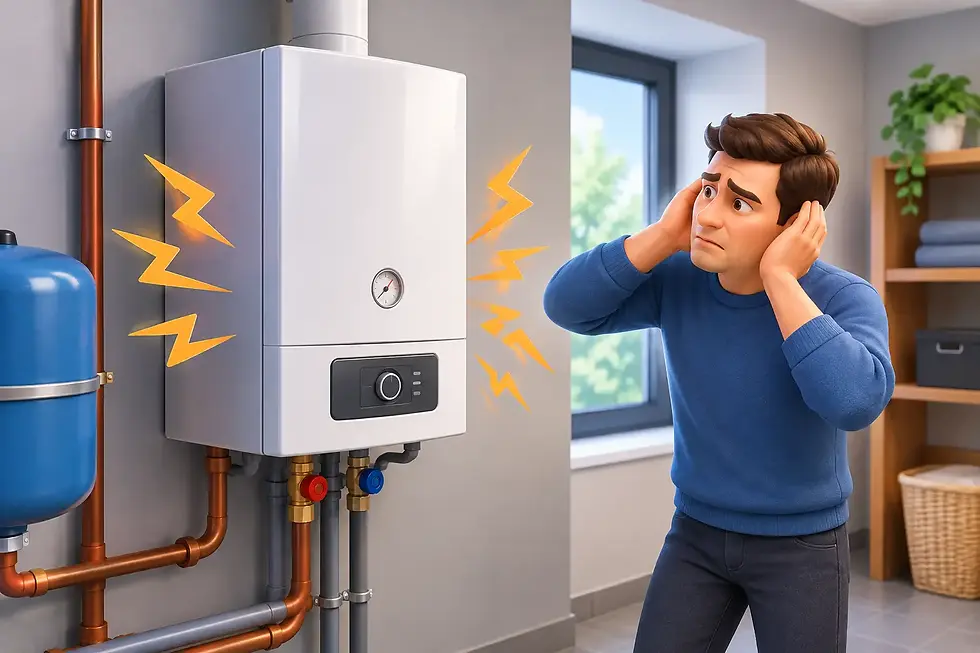
Not every emergency can be avoided, but many can. Annual boiler servicing, routine gas safety checks, and early attention to minor faults all reduce the chances of a late-night breakdown. If a tenant reports unusual boiler noises, repeated resets, inconsistent hot water, or pressure loss, it is usually cheaper and safer to investigate early than to wait for a full failure.
For landlords and property managers, prevention is mostly about systems rather than luck. Keep servicing current, record appliance age and fault history, and act on advisory notes before they become urgent defects. Emergency response will always matter, but the best outcome is needing it less often.
If you ever need a 24-hour gas engineer, the key is simple: treat speed and safety as equal priorities. A rapid response is only useful when it comes with proper qualifications, clear communication and work that stands up to scrutiny the next morning.

Comments